

You know that feeling around 2:00 pm in day? The afternoon slump hits. Your eyes feel like they are being anchored down by 10 kilo weights. You feel slow and the third cup of coffee is of no help.
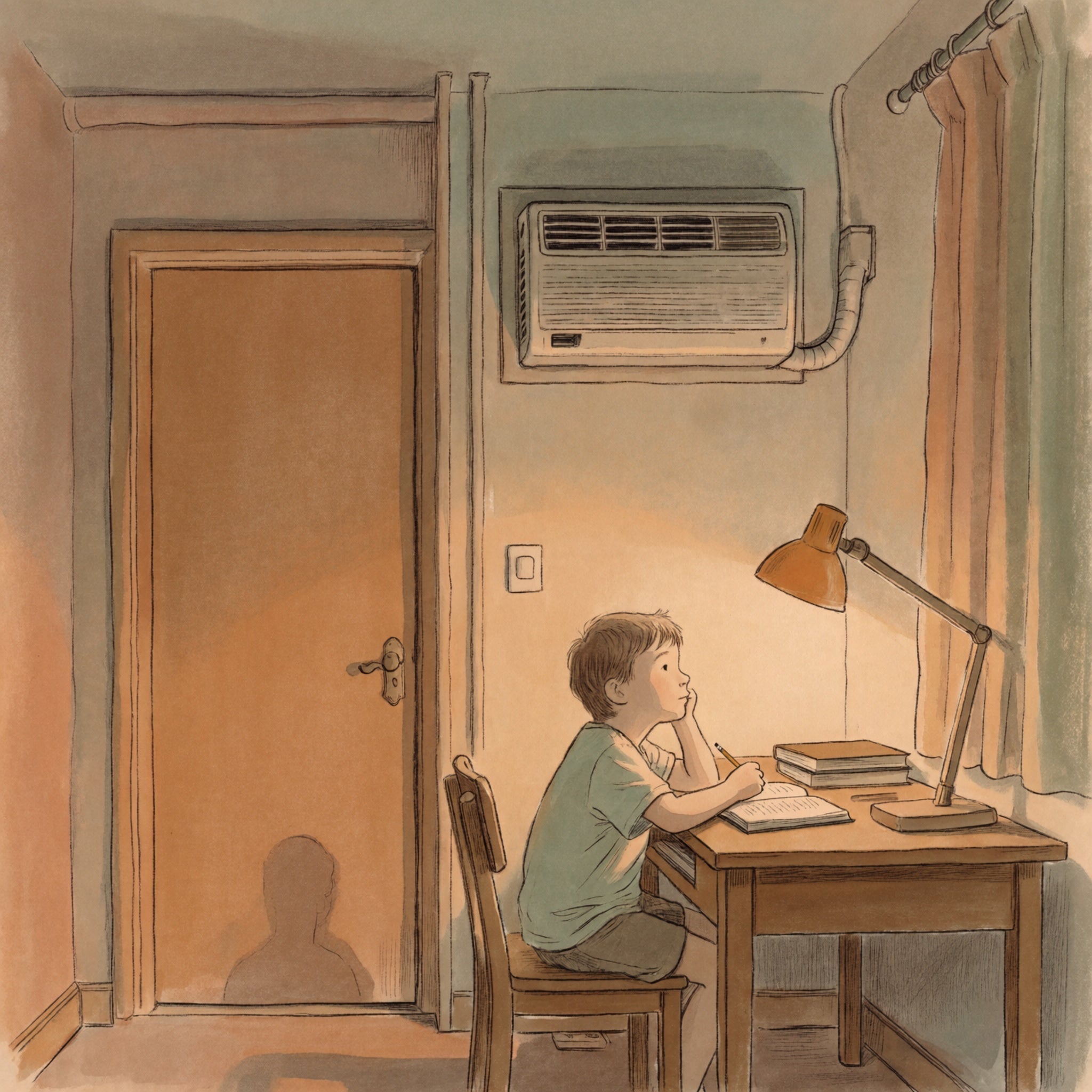
You might examine your lunch closely as a suspect for your drowsiness or maybe your sleep schedule. The real culprit might be hanging on your wall or ceiling: your air conditioning.
When we lock ourselves in modern, sealed, air-conditioned rooms, we accidentally create a "stale air chamber." While traditional air purifiers are great at trapping whatever dust is there, they cannot do anything about the invisible buildup that is tanking your productivity.
1. The Sealed-Room Trap Creates a "CO₂ Blind Spot"
To keep your offices and homes energy efficient and chilled, the building you are sitting in is probably airtight. No air coming in, none going out through ventilation. When all your windows are shut tight, the air conditioner running is recycling the same air time and again. The CO₂ has nowhere to go. Every single time you exhale, the concentration of carbon dioxide in the room increases.
2. You Are Experiencing the Core Symptoms of High Carbon Dioxide Indoors
Now, you might assume that such high levels of CO₂ build-up happens in a factory setting or somewhere that is enclosed. In reality, it is happening in every bedroom, office and meeting room every single day.
When this CO₂ crosses a certain threshold, even your body reacts physically. Here are the classic symptoms of high carbon dioxide indoors:
-
A heavy, dull headache that starts mid-afternoon
-
Frequent yawning, even after a full night of restful sleep
-
Dizziness or a slight feeling of suffocation
-
That dreaded, unshakeable office brain fog afternoon slump
3. Traditional HEPA Filters Are Completely Blind to Gases
This is where even the most health- conscious of people trip. You might have a fancy air purifier running in some corner of your room, thinking that keeps you safe.
The truth? Air purifiers do not create fresh oxygen, and they cannot trap carbon dioxide.
-
HEPA filters trap physical particles (like dust, pollen, pat dander, mold spore and dust mites).
-
Activated carbon filters trap odors and microscopic chemical vapors (VOCs).
The Flaw: CO₂ molecules are far too small to be trapped by these filters. A standard purifier will rid you of microscopic particles even but you are still breathing in the exact same stale, low-oxygen air over and over again. The air purifier can only filter what is in the air, it cannot create fresh oxygen for the space.
4. Why Do I Get Sleepy in Air Conditioning? It's Cellular Starvation
Your brain consumes about 20% of your body’s total oxygen supply. Your brain is hardwired to consume as much oxygen, when the level of oxygen drops: your brain can detect it. In order to preserve energy, your brain now will start to conserve energy by slowing you down.
So, why do I get sleepy in air conditioning? It isn’t the cool air coming in that makes you feel cozy enough to feel sleepy; it is mild cognitive impairment caused by a lack of fresh, biologically renewed air.
The Solution: How to Actually Renew Your Indoor Air
To fix your afternoon fatigue, you have to move past simple filtration and focus on biological renewal. Here is how to reclaim your energy:
-
The High-Maintenance Fix: Open your windows for 10–15 minutes every few hours. The catch? If you live in a tier-1 city you likely have dangerously high AQI and letting the air in will do more harm than good.
-
The Structural Fix: Install commercial-grade HVAC fresh-air ventilation systems. The catch? It costs a lot and needs a lot of upkeep.
-
The Biological Solution (Air Synthesizer): Instead of just filtering stale air, appliances like the greenwaterHOME Air Synthesizer use live micro-algae to mimic nature indoors. It actively consumes the trapped CO₂ molecules, safely sequesters the carbon, and synthesizes fresh, life-giving oxygen right back into your room: giving you the cognitive clarity of working outdoors without losing your crisp, cool AC temperature.
Blaming your sleep schedule or diet probably won’t fix it, either open up windows if the air outside allows for it or invest in an air synthesizer.

Leave a comment
This site is protected by hCaptcha and the hCaptcha Privacy Policy and Terms of Service apply.